
In tube fabrication operations, machine jamming stands as one of the most disruptive challenges, leading to costly downtime, compromised product quality, and potential damage to equipment. As Tube end forming machines become increasingly sophisticated—integrating precision control systems and quick-change tooling—addressing jamming issues requires a targeted understanding of root causes and actionable troubleshooting protocols. From material inconsistencies to mechanical misalignments, common jamming scenarios can be resolved with systematic checks, while proactive maintenance strategies help prevent recurrences, ensuring smooth and efficient production workflows.
Jamming in tube end forming machines typically stems from four core categories of issues: material-related inconsistencies, mechanical misalignment or wear, improper parameter settings, and tooling complications. Recognizing the telltale signs of each scenario is the first step toward rapid resolution. For instance, jamming accompanied by uneven tube deformation often points to material variations, such as inconsistent wall thickness, surface defects, or improper material hardness. Tubes with rust, debris, or residual lubricant buildup can also cause friction-related jams, as contaminants disrupt the smooth movement of the workpiece through the forming tools.
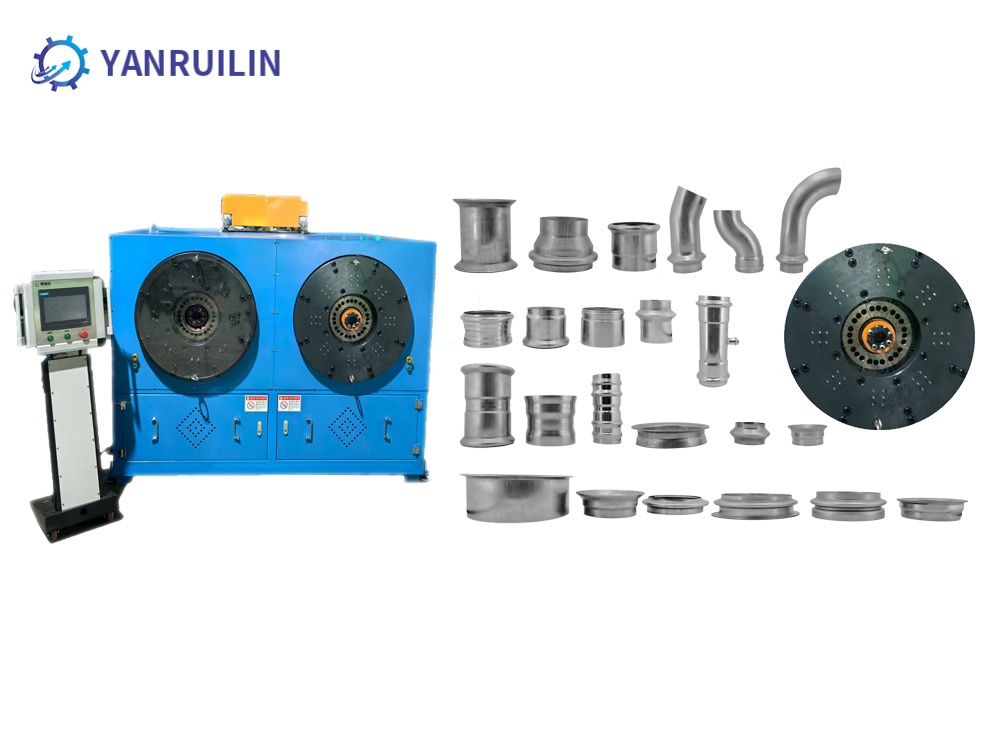
Mechanical misalignment is another prevalent cause, particularly in machines subjected to heavy usage or improper installation. Misaligned forming dies, skewed clamping mechanisms, or worn guide rails can create uneven pressure on the tube, leading to stalling or jamming during the forming process. Similarly, worn or damaged drive components—such as gears, belts, or hydraulic cylinders—may fail to deliver consistent force, resulting in incomplete forming and subsequent jamming. In servo-integrated machines, calibration drift in position sensors or feedback systems can also disrupt coordination between tool movements, increasing the risk of jams.
Improper operational parameters often contribute to jamming, especially when transitioning between tube sizes, materials, or forming operations. Excessive pressure settings can cause the tube to collapse or deform beyond the tool’s capacity, while insufficient pressure may leave the material incompletely formed, leading to jamming during subsequent steps. Incorrect feed rates or cycle timing can also create bottlenecks, as the machine’s movements outpace the material’s ability to deform, resulting in binding between the tube and tooling.
Tooling issues—including dull dies, incompatible mold designs, or improper installation—are equally problematic. Dull or worn forming tools require more force to shape the tube, increasing friction and the likelihood of jamming. Molds that are not properly aligned with the tube’s axis or are designed for incompatible tube diameters can cause uneven stress distribution, leading to material buildup or stalling. Additionally, residual material deposits on tooling surfaces—from previous forming cycles—can accumulate over time, creating obstacles that trap the tube during operation.
Resolving jamming issues requires a step-by-step troubleshooting approach that prioritizes safety and precision. First, operators should immediately stop the machine, disconnect power, and release any pressure in hydraulic or pneumatic systems to avoid injury. Next, a visual inspection of the jammed area can identify obvious issues: trapped debris, visible tube deformation, or misaligned tooling. Removing the jammed tube carefully—using appropriate tools to avoid further damage—allows for a closer examination of the workpiece and tooling. Checking for material defects (e.g., wall thickness variations, surface contaminants) and tool wear (e.g., dull edges, material buildup) can pinpoint the root cause.
Mechanical checks should follow, including verifying the alignment of dies, clamps, and guide rails using precision measuring tools. Calibrating position sensors and servo systems—per manufacturer guidelines—ensures accurate tool movement, while inspecting drive components for wear or damage can prevent force inconsistencies. Adjusting operational parameters to match the tube’s material properties and dimensions—such as reducing pressure for thin-walled tubes or slowing feed rates for high-strength alloys—can resolve parameter-related jams. Cleaning tooling surfaces thoroughly and replacing worn dies or molds are critical steps to eliminate friction-related issues.
Preventive maintenance is key to minimizing future jamming incidents. Implementing a regular cleaning schedule for tooling and machine components removes debris and material buildup before it causes problems. Routine inspections of mechanical parts—including lubrication of moving components—reduces wear and ensures smooth operation. Calibrating control systems and sensors at regular intervals maintains precision, while validating material quality before processing eliminates inconsistencies that lead to jams. Training operators to recognize early warning signs—such as unusual machine noise, inconsistent forming results, or increased cycle times—enables proactive intervention before jamming occurs.
As tube end forming machines play an increasingly critical role in high-precision manufacturing, addressing jamming issues effectively is essential for maintaining productivity and quality. By understanding common root causes, following systematic troubleshooting protocols, and investing in preventive maintenance, manufacturers can minimize downtime, extend equipment lifespan, and ensure consistent performance across production runs. With ongoing advancements in machine design—including self-diagnostic systems that alert operators to potential jamming risks— the industry is moving toward more resilient and reliable tube forming solutions, further reducing the impact of these disruptive issues.
この Web サイトでは、お客様に最高のエクスペリエンスを提供するために Cookie を使用しています。

 English
 Español
 Pусский
 Deutsch
 한국어
한국어 Italiano
 Türk dili
 हिन्दी
 Indonesia


コメント
(0)